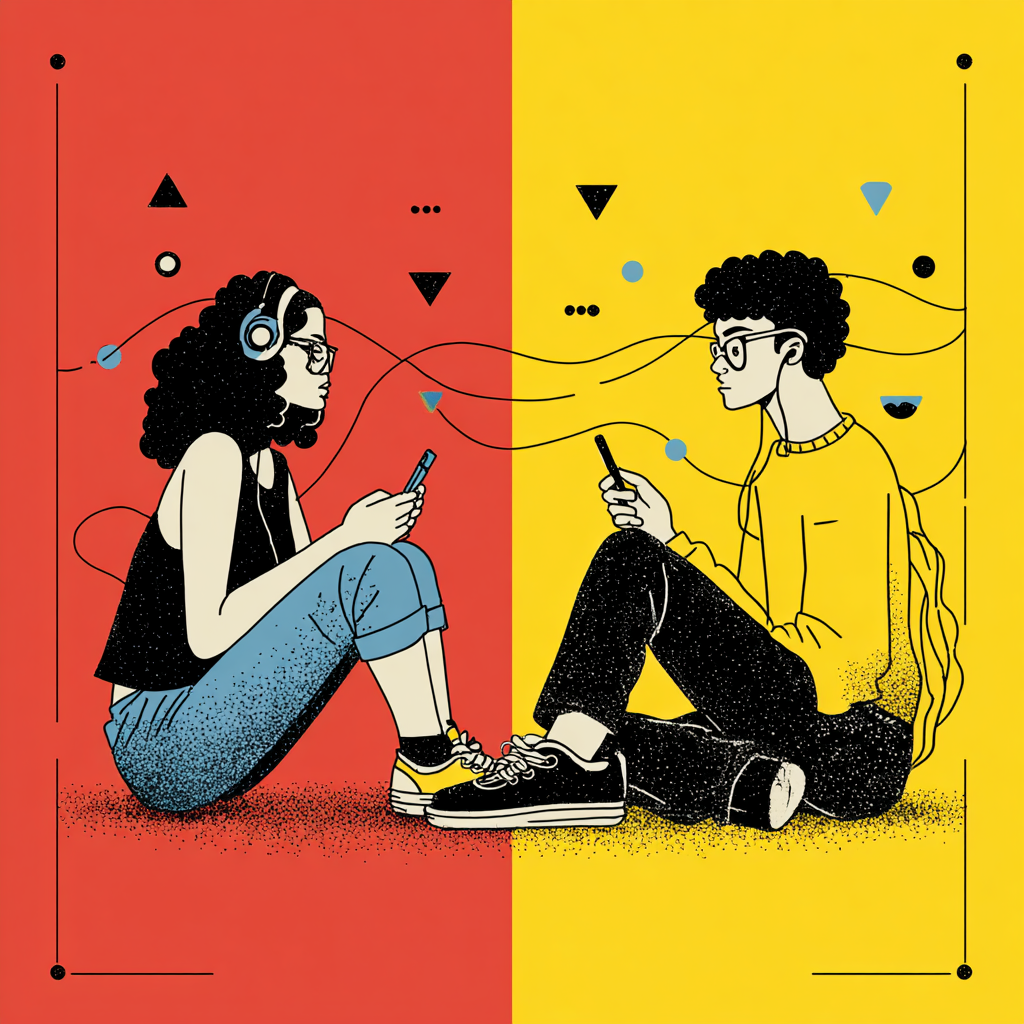
The Connection Delusion: Alone Together
We are more “connected” than ever before. Social media, messaging apps, video calls spanning continents—technology has supposedly abolished distance and loneliness. Yet rates of isolation, anxiety, and disconnection have never been higher. This is the connection delusion: the belief that digital proximity equals genuine human bond.
The average person checks their phone 144 times per day. We scroll through hundreds of curated lives, double-tap thousands of images, exchange endless abbreviated messages. But are we connecting, or just collecting data points about connection? Are we present with others, or merely monitoring their presence?
Real connection requires depth. It demands vulnerability, time, and the messy work of being known. But digital platforms optimize for breadth, not depth. They reward constant shallow engagement over occasional profound exchange. A thousand followers mean less than one friend who will sit with you in silence when words fail.
The architecture of social platforms actively undermines intimacy. Algorithms curate our feeds to maximize engagement, which often means maximizing outrage, envy, or anxiety. We see not our friends’ lives, but their highlight reels. We compare our behind-the-scenes chaos to their carefully staged productions. And in doing so, we feel more alone even as we’re more “linked.”
The delusion extends to how we measure relationships. Friendships become follower counts. Affection becomes likes. Presence becomes read receipts. We’ve gamified human connection, and like all games, there are winners and losers. Those who perform best get rewarded. Those who struggle to package themselves attractively get left behind.
Consider the paradox of the group chat. Twenty people in a conversation, yet no one really listening. Messages pile up, each person broadcasting into the void, hoping someone will notice them specifically. It’s less dialogue than parallel monologues. We’re together, but utterly alone.
Even video calls, meant to simulate presence, often emphasize absence. We see each other but can’t touch, can’t read the subtle body language, can’t share physical space. The connection is better than nothing, but it’s not the same. And pretending it is leaves us perpetually unsatisfied, wondering why virtual intimacy feels hollow.
The workplace has absorbed this delusion too. Remote work is sold as connection without commute, but it often means isolation without boundary. Always available but never fully present. Slack messages at midnight. Emails on weekends. The illusion of flexibility masking the reality of constant tethering.
The connection delusion serves capitalism well. Platforms profit from our loneliness—they sell the cure while manufacturing the disease. Every moment of genuine connection we outsource to an app is a moment of dependency created, data harvested, and engagement monetized. We are not users of these platforms; we are their product.
Breaking this spell requires something radical: choosing absence over presence-simulation. Letting phone calls go to voicemail to be fully present with someone physically near. Leaving the phone in another room during meals. Accepting that we cannot and should not be reachable at all times.
It also means relearning lost skills. How to sit with boredom. How to be alone without being lonely. How to have a conversation without checking if someone more interesting just texted. How to let friendships ebb and flow naturally rather than trying to maintain constant contact.
True connection is not frictionless. It’s inconvenient, time-consuming, and sometimes uncomfortable. It asks us to show up when we’re tired, to listen when we’d rather speak, to stay when we’d rather flee. Digital tools can support this work, but they can’t replace it.
The goal isn’t to abandon technology, but to see it clearly. A video call with someone you love is a gift. An endless scroll through strangers performing happiness is a trap. The difference is intention, consciousness, and the courage to admit when we’re using connection as a substitute for genuine presence.
We are not meant to be always on, always available, always watching. We are meant to be sometimes with, sometimes alone, and always real. The delusion of digital connection has made us forget that the deepest bonds are built not through screens, but through the slow, patient work of showing up—imperfectly, wholly, and humanly present.